
Что конкретно вы узнали от него о Русской революции? В каком возрасте или в каком году после вашего рождения он счел уместным рассказать вам об этом?Я впервые узнал про РМ в детстве, от отца.
What specific things did you learn from him about the Russian Revolution? At which age/in which year since your birth did he consider it appropriate to tell you?
In Сергo Бeрия's case, his father only told him directly when he was age 24. «He must be able to understand what’s going on. The younger he is when he understands things and what people are worth, the better he’ll stand the shock. If he believes everything, like a fool, and then reality suddenly opens in front of him like an abyss, that will be a very hard ordeal for him.»
It was the same for me. Coming across this book was the missing piece. Above all, it gave me the impulse to start acting! I threw myself into investigating Daniil Andreev's Antichrist scenario at the end of his book. It was not really hatched in the mind of a mad raving poet, but it was bequeathed to him by an inspirational daimon/angel; hence, it's unusual clarity and highly detailed description. Although it's not as probable as Daniil Andreev believed, but it remains a small possibility and is unlikely to come true. It seems Daniil Andreev focused on one specific scenario in the hopes of thwarting just that one. Therefore we shouldn't view it as inevitability. The Antichrist of our times will be more like Justinian I and Peter the Great, sharing their love of innovation and contempt for tradition.Ну а когда сам читал РМ, то такое ощущение было, что «вот оно, чего мне не хватало для мировоззрения». По природе конечно гулял в ходе прочтения. И симпатию к Андрееву, безусловно, почувствовал.
_____
I was tasked with studying the life of Peter the Great as part of a assignment, I dedicated a considerable amount of time to this inquiry. MrM and I think that it's of the utmost importance for people in the west to grasp the historical significance of Peter.что Пëтр родился удивительным образом именно тогда, когда должен был родиться такой человек в царской семье.
Primary Sources for English readers:
Peter the Great as Antichrist by Maureen Perrie
The Petrine Instauration: Religion, Esotericism and Science by Robert Collis
Tsar and God by Boris Uspenskij and Viktor Zhivov
Impressions of Russia by Georg Brandes
History of Details:
Peter the Great: His Life and World by Robert K. Massie
Voltaire's biography of Peter, Rousseau's Social Contract
Essential facts about Peter: (for future metahistorians)
•Peter himself emphasized divine workings in his life. He attributed his survival during shipwreck to Providence. Peter believed he had been entrusted with a divine mission (like Scriabin), which only he could implement.
•Peter was accused as «the Antichrist» by his enemies for breaking with convention/traditions.Neither usurpation of the throne, nor even legitimate accession to the throne through the rite of coronation, is sufficient to make a man Tsar. It is not conduct, but predestination which marks the true Tsar; so a Tsar may be a tyrant (as, for example, Ivan the Terrible) yet this in no way means that he is not in his rightful place. (Tsar and God by Boris Uspenskij and Viktor Zhivov)
•Peter loved innovation, he «felt himself drawn to the mechanical inventions above everything else.» Peter eschewed intellectual workers and surrounded himself with workmen. «The strife with the natural conditions has developed the practical qualities with the Great-Russian, the taste for that which is available and useful in handiwork» (Hermann Keyserling) Alexander the Great, however, completely ignored workers of his day and surrounded himself with intellectual types.
•Peter was naturally oriented towards giving, he was as Daniil Andreev pointed out, generous and magnanimous (much like Alexander the Great). This implies that by force of proximity he could unconsciously involtate others around him, transfer his energy/imposing his will on them (similar to Adolf Hitler).
Justinian was magnanimous, but utterly senseless in his distribution of wealth. Also, I've noticed a striking parallel between Peter the Great and historical Comte de Saint-Germain:
«All his abilities, especially his extraordinary kindness, yes, even magnanimity, which formed his essential characteristics, had made him so respected and so beloved...»
•Peter showed a fascination with strange and unusual phenomena, astronomical/cosmic events influenced his decision making, but he rejected astrological superstition. However, Peter didn't neglect his military training, as he wrote to his son, «I only desire you to apply yourself to learn the art of it; for it is impossible well to govern without knowing the rules and discipline of it, was it for no other end than for the defense of the country.»
Whereas Justinian I had chiefly occupied himself with «investigation of heavenly phenomena and with curious researches into the nature of God», while neglecting military matters.
Louis XIV cold-bloodedly waged his wars identifying the state with himself and sending thousands of Frenchmen to their doom. Peter the Great sacrificed tens of thousands of serfs for the construction of Petersburg. Lenin worked for the sake of world revolution, which would have claimed millions of lives.
•Here, Daniil Andreev catches 2-3 important patterns: a striking parallel between French and Russia's monarchies (especially the rise and fall of their last monarchs, the impostery of Napoleon and Stalin), their intertwined paths (Bolshevism and its historical model), and as Иоанн helped me realize, whereas Hitler destroyed other nations for his people, Stalin destroyed his own people. Stalin's monstrous crimes are not as appalling in the west and do not receive as much attention, since it's not a break in the history of bloody tsars, and it's not as disturbing as highly educated German intellectuals supporting genocide.
Madame De Stael wrote about how Napoleon «gained his astonishing victories by a prodigal waste of the soldiers which the Revolution had supplied... In short, even the style of his military maneuvers has some connexion with the rest of his character: he always risks the whole for the whole...»
In the course of Russia's destiny, she has always sacrificed vast numbers of Russian victims for higher aspirations. That's a chief characteristic of the Elohim Kronos/Saturn, also called archangel Michael, great prince of the people (Daniel 12, see Monk Abel), who presides over Russia. «But the people who know their Elohim will be strong and take action.» (Daniel 11:32 Names of God translation)
https://en.topwar.ru/212277-rossija-na-perepute.html
Lev Gumilev used the life of Alexander to illustrate his concept of пассионарность. Peter the Great's life also lends credibility to his theory. We see how Peter developed Russia by 100s of years, how he «dragged tribes of people from the primitive system into the modern world».
In my view, Peter could only accomplish this if he possessed the necessary passion & willpower to propel him forward, combined with the natural researcher's humility and an independent freethinker's courage. He has become one of my historical models.
Historian Robert K. Massie wrote, Peter «returned not only determined to change his country but also convinced that if Russia was to be transformed, it was he who must provide both the direction and the motive force. He would try to lead; but where education and persuasion were not enough, he would drive—and if necessary flog—the backward nation forward.»
«It was less by genius that Peter the Great controlled the rude Muscovites than by his terrible fits of passion, seconded by Herculean strength and a gigantic height.» (Louis Moreau Gosstchalk)
В таком случае я бы порекомендовал ознакомиться с анализом историка Георга Брандеса, который обратил внимание на эту тенденцию во время своего визита в Россию.Кстати, одна из тем исторических, которые тоже хочу осветить — это «вечность» Российского противостояния с Западом. И там покажу, что бывали периоды и мирной торговли со странами Европы, и страшной вражды. И в конце бы к выводу подвести, что мы можем и в мире с ними жить.
Then I would recommend studying historian Georg Brandes' analysis, he drew attention to this trend during his visit to Russia. He pointed out that there were only two types of Russians, that were exemplified by their leaders:
«the tendency towards Western Europe, the disposition to acclimatize and further develop the general European culture, and the tendency inward, the national self-absorption, with a hostile attitude towards 'the Gentiles' in the west»
In our history, there should have been the cultural pilgrimage to the East and to the South. Yet, unfortunately for us and the whole world, this never happened Unless we rid ourselves of our national-cultural conceit, unless we stop thinking of Russia as the best country in the whole wide world, our giant massif would present nothing but a threat of despotism to humanity.
In this, Daniil Andreev agrees with Rousseau. Brandes continues: «If you go still farther back, you find both these characteristics united in the old Muscovite Tsars, Ivan III. and Ivan IV the Terrible, the latter being especially important. He has well been characterized as a combination of Louis XI. of France and Henry VIII. of England: a mystical, bloody tyrant and prudent monarch like the former, and having about as many wives as the latter.»
Вложения
-
111.6 KB | Скачали: 32
Редактирование:

Мой знакомый WanderingMrM предупредил меня:
«Если Путин попытается убить царя, у нас возникнут серьёзные проблемы. Мы получим гибрид Сталина и Ивана Грозного! Right now the nature of the Real Tsar is on a scale: on one side, he is like Stalin — Peter The Great; on the other side: Stalin — Ivan The Terrible. / Сейчас характер настоящего царя находится на весах: с одной стороны, он похож на Сталина — Петра Великого; с другой — на Сталина — Ивана Грозного».
Отчасти это связано с его смешанным происхождением: татарским (по отцовской линии) и русским. Но также российский национализм и национальный эгоизм могут подтолкнуть его на путь, по которому он не хочет идти.
Он предвидит, что Царь либо:
•женится на европейке или русской женщине, которая будет заботиться о русских детях, особенно о сиротах;
•женится на трёх женах, имея до 17 детей (как Махди)
•вступит в брак с представительницами королевских семей определённых стран, что станет символом их воссоединения. Если Путин каким-то образом уцелеет, он попытается выдать свою дочь замуж за царя, но тот откажется, поскольку Путин слишком тесно связан с олигархией.
_____
Моя подруга-ясновидящая Рози утверждает, что встретилась с Верховным Наставником в состоянии, похожем на сон:
«Я просто знаю, что у него сейчас тяжелый период. Он сейчас растерян, потому что пытается следовать по пути, заранее намеченному для него. Для него это сложно. Есть и другой путь, но он будет гораздо тяжелее... Что я действительно поняла, так это то, что он по какой-то странной причине очень хочет, чтобы я почитала о Петре Великом. Мне показалось, что я слышала имя «Петр», но на русском языке. Я не многое помню из нашего разговора. Он упомянул своё имя, но потом я его забыла...» Ей показалось, что его английское имя звучало как «Andrew/Андрей».
На что MrM ответил: «Думаю, он обиделся на то, что она не поняла, кем был Петр и какое значение такие личности имеют для нашего мира». Так же, как Петр когда-то верил, что у него есть божественная миссия по модернизации России, Верховный Наставник тоже видит себя в этом свете.
_____
В письме к сыну Питер отмечает, что подданные склонны подстраиваться под привычки правителя. Если Верховный Наставник уже находится здесь, на Земле, то нам следует стремиться узнать о его взглядах как можно больше.
По словам моего контакта WanderingMrM, Царь/первый Верховный Наставник читает следующие классические книги: Гомера, Платона, Марка Аврелия, Сенеки; а также книги по стратегии, такие как «Искусство войны» Сунь Цзы. Кроме того, я бы не рекомендовал книги Ницше, Карла Юнга и Роберта Грина, но Царь, похоже, использует их практическую ценность. Царь также предпочитает слушать классическую музыку, в отличие от российской молодёжи.
_____
В то время как Петр жил по всей западной Европе, было много ученых, которые следили за новостями о его путешествии, но только два человека сделали достаточную подготовку к его прибытию, они помогли ободрить его принять его судьбу: Готфрид Лейбниц и Фрэнсис Ли. It is with this mindset, expectation, and direction that we must proceed with to bring about the realization of The Rose of the World,
Именно с таким настроем, такими ожиданиями и в таком направлении мы должны двигаться дальше, чтобы воплотить в жизнь проект «Роза мира», действуя так, как будто Верховный Наставник уже был здесь на земле и прокладывал путь к его приходу! Для этого мы обязательно должны обратиться к молодежи нашего поколения, обратиться к ней на том языке, который она понимает лучше всего. Они должны осознать, что их институты подвели их и не отстаивают их интересы.
Историк Марк Мазоуэр цитирует Габриэля Колко в книге «Внутри гитлеровской Греции (1941–1944)»:
«Политика перестала быть абстрактным увлечением амбициозных людей или образованной интеллигенции; для миллионов она стала средством, позволяющим в конечном итоге избавиться от причин и последствий мира, сошедшего с ума от разрушений и террора. В беспрецедентной степени бесчисленное количество людей по всему миру избавились от страха действовать...»
«Если Путин попытается убить царя, у нас возникнут серьёзные проблемы. Мы получим гибрид Сталина и Ивана Грозного! Right now the nature of the Real Tsar is on a scale: on one side, he is like Stalin — Peter The Great; on the other side: Stalin — Ivan The Terrible. / Сейчас характер настоящего царя находится на весах: с одной стороны, он похож на Сталина — Петра Великого; с другой — на Сталина — Ивана Грозного».
Отчасти это связано с его смешанным происхождением: татарским (по отцовской линии) и русским. Но также российский национализм и национальный эгоизм могут подтолкнуть его на путь, по которому он не хочет идти.
Он предвидит, что Царь либо:
•женится на европейке или русской женщине, которая будет заботиться о русских детях, особенно о сиротах;
•женится на трёх женах, имея до 17 детей (как Махди)
•вступит в брак с представительницами королевских семей определённых стран, что станет символом их воссоединения. Если Путин каким-то образом уцелеет, он попытается выдать свою дочь замуж за царя, но тот откажется, поскольку Путин слишком тесно связан с олигархией.
_____
Моя подруга-ясновидящая Рози утверждает, что встретилась с Верховным Наставником в состоянии, похожем на сон:
«Я просто знаю, что у него сейчас тяжелый период. Он сейчас растерян, потому что пытается следовать по пути, заранее намеченному для него. Для него это сложно. Есть и другой путь, но он будет гораздо тяжелее... Что я действительно поняла, так это то, что он по какой-то странной причине очень хочет, чтобы я почитала о Петре Великом. Мне показалось, что я слышала имя «Петр», но на русском языке. Я не многое помню из нашего разговора. Он упомянул своё имя, но потом я его забыла...» Ей показалось, что его английское имя звучало как «Andrew/Андрей».
На что MrM ответил: «Думаю, он обиделся на то, что она не поняла, кем был Петр и какое значение такие личности имеют для нашего мира». Так же, как Петр когда-то верил, что у него есть божественная миссия по модернизации России, Верховный Наставник тоже видит себя в этом свете.
_____
В письме к сыну Питер отмечает, что подданные склонны подстраиваться под привычки правителя. Если Верховный Наставник уже находится здесь, на Земле, то нам следует стремиться узнать о его взглядах как можно больше.
По словам моего контакта WanderingMrM, Царь/первый Верховный Наставник читает следующие классические книги: Гомера, Платона, Марка Аврелия, Сенеки; а также книги по стратегии, такие как «Искусство войны» Сунь Цзы. Кроме того, я бы не рекомендовал книги Ницше, Карла Юнга и Роберта Грина, но Царь, похоже, использует их практическую ценность. Царь также предпочитает слушать классическую музыку, в отличие от российской молодёжи.
_____
В то время как Петр жил по всей западной Европе, было много ученых, которые следили за новостями о его путешествии, но только два человека сделали достаточную подготовку к его прибытию, они помогли ободрить его принять его судьбу: Готфрид Лейбниц и Фрэнсис Ли. It is with this mindset, expectation, and direction that we must proceed with to bring about the realization of The Rose of the World,
Именно с таким настроем, такими ожиданиями и в таком направлении мы должны двигаться дальше, чтобы воплотить в жизнь проект «Роза мира», действуя так, как будто Верховный Наставник уже был здесь на земле и прокладывал путь к его приходу! Для этого мы обязательно должны обратиться к молодежи нашего поколения, обратиться к ней на том языке, который она понимает лучше всего. Они должны осознать, что их институты подвели их и не отстаивают их интересы.
Историк Марк Мазоуэр цитирует Габриэля Колко в книге «Внутри гитлеровской Греции (1941–1944)»:
«Политика перестала быть абстрактным увлечением амбициозных людей или образованной интеллигенции; для миллионов она стала средством, позволяющим в конечном итоге избавиться от причин и последствий мира, сошедшего с ума от разрушений и террора. В беспрецедентной степени бесчисленное количество людей по всему миру избавились от страха действовать...»
Вложения
-
911.9 KB | Скачали: 32
Редактирование:
Доброго времени суток!
Рад приветствовать на форуме, Kirill!
хотя из-за одинаковых имен будем при обращении путать Вас с тезкой-старожилом
вот еще одна проблема популяризации.
Когда начинаешь говорить совсем упрощенно, то это перестает быть интересно тем, кто в теме!
а они составляют значительную часть потенциальной аудитории, и кроме того, их реакция ценна, так как позволяет понять, насколько правилен ролик с т.зрения «Розы мира» и сообщества...
Короче баланс какой-то нужно искать...
Kirill смотрел многие мои видео, но про последнее — о христианстве и язычестве — сказал, что сложно и новички не поймут) хотя мне казалось, что вроде не оч сложно
Рад приветствовать на форуме, Kirill!
хотя из-за одинаковых имен будем при обращении путать Вас с тезкой-старожилом
Оффтоп
Я неделю отсутствовал, был в Калуге и Боровске, и потом, как соберусь, наверное напишу на форум свои впечатления от огромного музея космонавтики в Калуге, от домика где жил Циолковский и не только.
Ваш ролик на темы РМ, но видно, что Вы говорите словами упрощёнными, чтобы быть понятным аудитории в ютьюбе.
А изза применяемого Вами упрощённого языка («дух», «информация»,...) мне лично трудно понимать Ваши мысли, относящиеся к РМ.
вот еще одна проблема популяризации.
Когда начинаешь говорить совсем упрощенно, то это перестает быть интересно тем, кто в теме!
а они составляют значительную часть потенциальной аудитории, и кроме того, их реакция ценна, так как позволяет понять, насколько правилен ролик с т.зрения «Розы мира» и сообщества...
Короче баланс какой-то нужно искать...
Kirill смотрел многие мои видео, но про последнее — о христианстве и язычестве — сказал, что сложно и новички не поймут) хотя мне казалось, что вроде не оч сложно
Редактирование:
по конкретике, которую тут затронули:
И то, конечно, при условии, что это не декларации, а реальные действия.
Ведь важен не манифест или закон, а то как он начинает исполняться.
И хотя оба случая — отмена крепостного права и создание государственной думы, это шаги от имперского устройства государства к демократическому, этих шагов было явно недостаточно, а реформы до конца не были доведены.
И поэтому, как пишет Александр, по настоящему ощущение свободы Соборной души пришло лишь в феврале 1917 года.
то есть я бы сказал, что процесс освобождения соборной души не одномоментный, и ощущается сильнее когда происходят революционные изменения, а не эволюционные.
Но революционные изменения имеют такой серьезный побочный эффект, как освобождение велги.
То есть соборная душа освободилась, но радость была недолгой, так как одновременно силы велги хлынули в шрастр, преступность, анархия, безработица, инфляция и все остальное.
(И это, кстати еще постоянно о чем мы спорим с Максимом — я говорю, что просто убрать жругра с его давлением будет недостаточно, если не произойдет глубокой, сутевой трансформации в психологии людей. )
Попутно хочу пригласить в свою тему «Циклы в истории России», где тоже все это обсуждалось, и из которой я ушел потому что спорить выдохся и приближалось время летних поездок, а потом не вернулся, так как у меня был тяжелый июнь.
Наверное, так.
Это правильные вопросы, задавайте таких побольше.Вот только один пример приведу:
17 октября 1905 года Николай II издаёт знаменитый Манифест, учредивший новую систему государственный власти с выборной Думой. То есть впервые появилась полноценная система народного представительства. Это было освобождением закрепощённой народной души? Ни из основного текста РМ, ни из черновиков Андреев не следует ничего подобного. Однако в одной из глав РМ сказано, что если бы Александр I принял конституцию, это было бы отображением в нашей действительности разрушения Жругром цитадели Навны. А принятие Конституции и Манифест 17 октября это конечно не одно и то же, но очень близкие по сути явления. И почему же это не было освобождением Соборной души? И какими критериями мы можем определить, что является освобождением Соборной души, а что нет?
Я бы сказал, что такие действия власти — это «смягчение условий плена» Соборной души.Даниил Андреев никак не отмечает также отмену крепостного права* в 1861-м году
*—19 февраля (3 марта) 1861 г. в Петербурге император Александр II подписал манифест «О всемилостивейшем даровании крепостным людям прав состояния свободных сельских обывателей».
Видимо, с точки зрения метаистории принятие данных документов — обычные уступки власти насущной исторической необходимости, без какой-либо метаисторической подоплёки, да и то под давлением текущего момента.
И то, конечно, при условии, что это не декларации, а реальные действия.
Ведь важен не манифест или закон, а то как он начинает исполняться.
И хотя оба случая — отмена крепостного права и создание государственной думы, это шаги от имперского устройства государства к демократическому, этих шагов было явно недостаточно, а реформы до конца не были доведены.
И поэтому, как пишет Александр, по настоящему ощущение свободы Соборной души пришло лишь в феврале 1917 года.
то есть я бы сказал, что процесс освобождения соборной души не одномоментный, и ощущается сильнее когда происходят революционные изменения, а не эволюционные.
Но революционные изменения имеют такой серьезный побочный эффект, как освобождение велги.
Ну вот, это двойственность.лично меня пьянящая радость заливала до момента героизации трёх задавленных танком молодых людей.
но когда идеологические контуры новой власти обрисовались — стало понятно — что вчерашние комсомольцы, а нынешние кооператоры-спекулянты будут теперь лицом новой России. Вот эти спекулянты уже становятся героями.
Коммунистический хам ушёл. Пришёл демократический спекулянт.
То есть соборная душа освободилась, но радость была недолгой, так как одновременно силы велги хлынули в шрастр, преступность, анархия, безработица, инфляция и все остальное.
(И это, кстати еще постоянно о чем мы спорим с Максимом — я говорю, что просто убрать жругра с его давлением будет недостаточно, если не произойдет глубокой, сутевой трансформации в психологии людей. )
Попутно хочу пригласить в свою тему «Циклы в истории России», где тоже все это обсуждалось, и из которой я ушел потому что спорить выдохся и приближалось время летних поездок, а потом не вернулся, так как у меня был тяжелый июнь.
Не обязательно является полным освобождением, но ее можно трактовать как увеличение степени свободывот, кстати, как раз недавно мне попалась информация, что новость о принятии Манифеста 17 октября была встречена ликованием в тех самых классах общества, что были тогда движущими. Эту информацию я не проверял, но в принципе это логично и такое вполне могла быть. Но сама по себе радость тоже ведь не обязательно является освобождением соборной души.
Наверное, так.
Иван, для отдохновения души предлагаю открыть там подтему «Избирательные циклы в истории России». Там уж точно споров не будет, потому что спорить будет просто не о чем.Попутно хочу пригласить в свою тему «Циклы в истории России», где тоже все это обсуждалось, и из которой я ушел потому что спорить выдохся


Кирилл, избирательные, это когда выборы?Иван, для отдохновения души предлагаю открыть там подтему «Избирательные циклы в истории России».
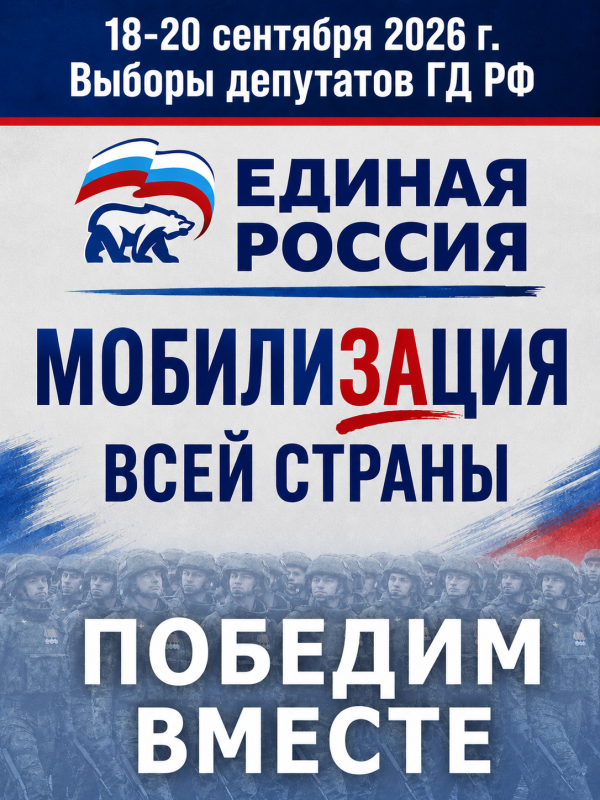
Кирилл, что-то от такого плаката становится не по себе 

это юмористический плакат, Александр@Кирилл, что-то от такого плаката становится не по себе
Форум по творчеству Даниила Андреева. «Роза Мира», «Русские боги», «Железная мистерия», стихотворения.
Метаистория, трансфизика, религии, метакультуры. Сквозящее искусство, вестничество, миссии и судьбы.
Одухотворённая природа, стихиали. Богосотворчество, воспитание человека облагороженного образа, праведность.